27/40 – on no longer being an “athlete”

From the moment I can remember being a kid, I was both competitive and involved in some type of athletics. Until I became too tall, it was gymnastics. Until everyone (myself included) realized I couldn’t catch or throw a ball, it was softball. From middle school on, I was on all the teams. Volleyball, basketball and track (field to be specific) were the final three that lasted through high school.

My identity was very much wrapped up in this athletic life….practice and game schedules, the friends I hung out with, what clothes I wore….all of it really stemmed from what sport I was playing at the time. Although I wasn’t a star by any means, I did find success in specific sports and really appreciated the leadership potential my coaches saw in me.

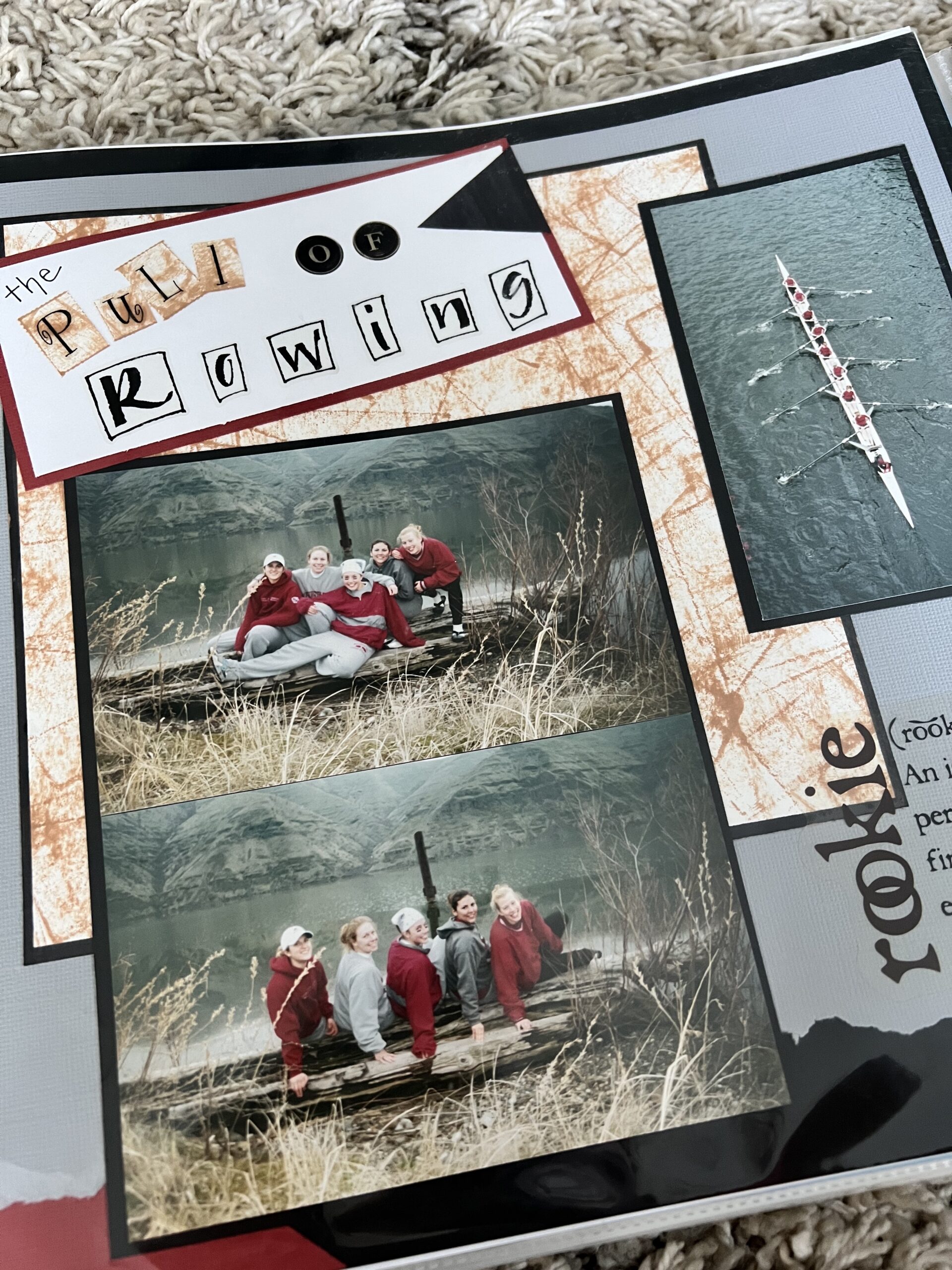
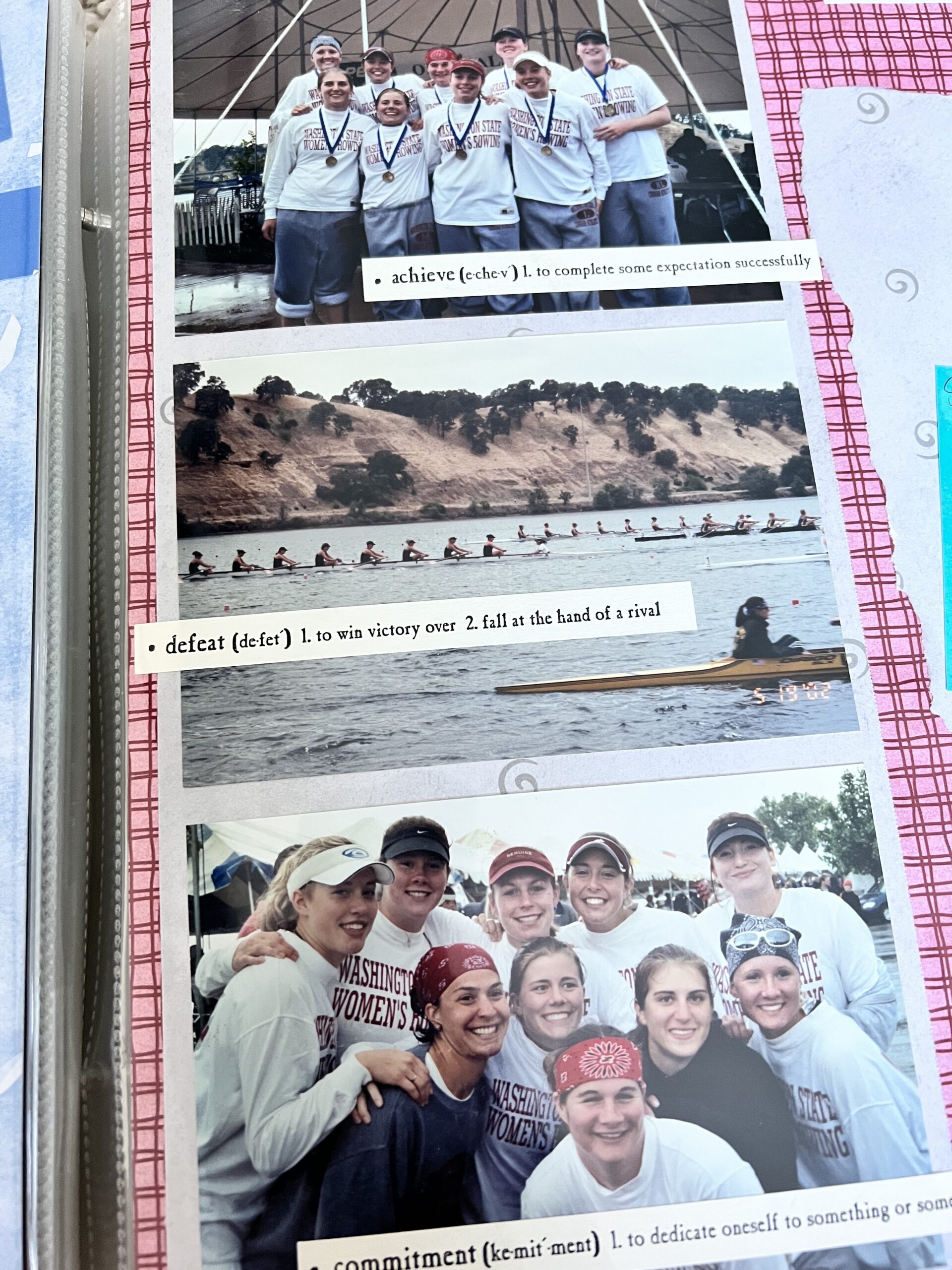
This success led to recruitment from WSU to join the rowing team. Being a D1 athlete was both a privilege (my favorite perk: laundry service!) and a hardship. I felt a lot of pressure to perform and rise above my teammates without any prior experience at the actual sport….and I also wasn’t all that great, which was a hard pill for me to swallow at the time.
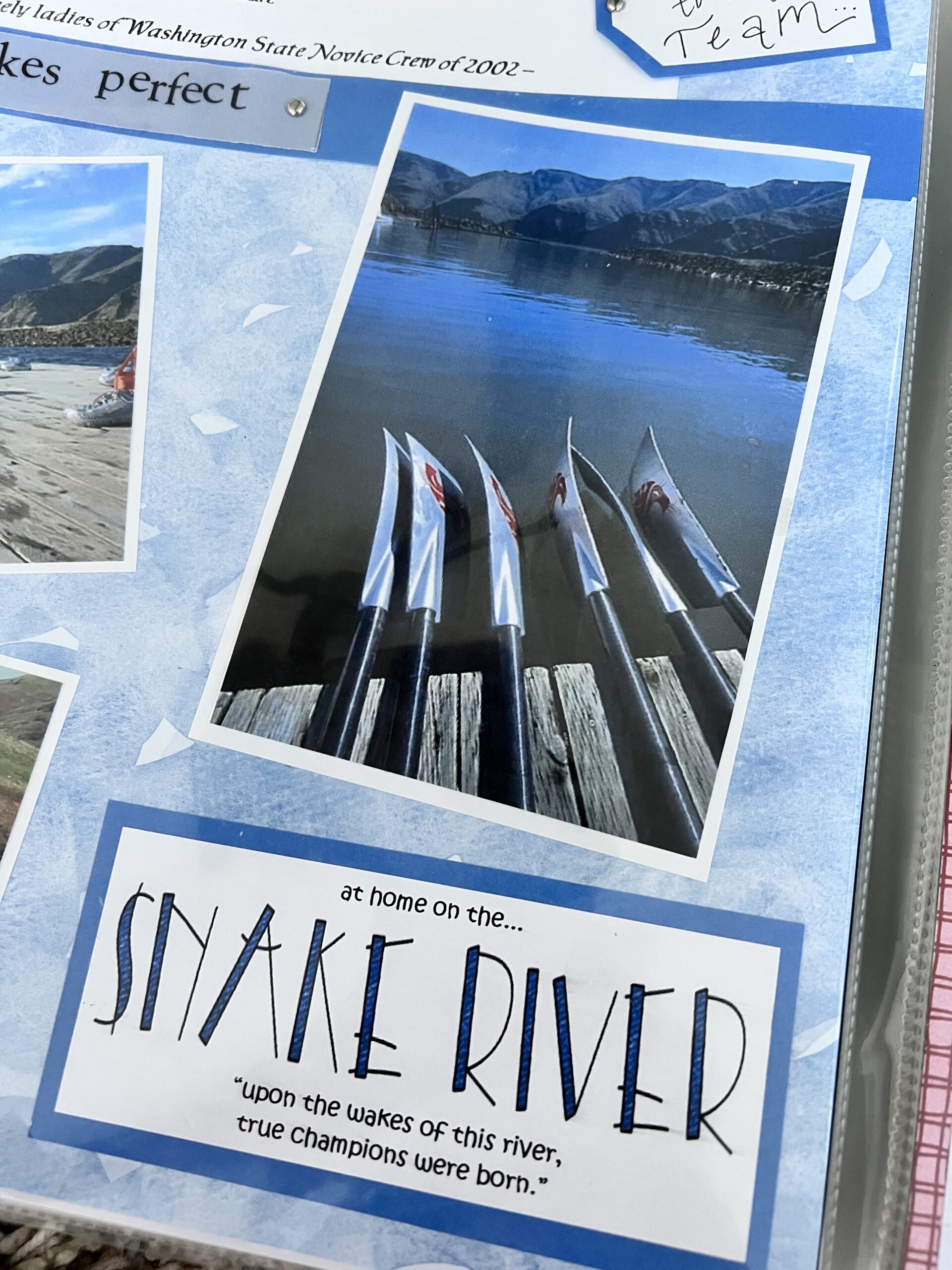
After choosing not to continue my crew career and focusing on a job (and let’s be honest, my social life) my sophomore year, I started to struggle. Without the scheduling boundaries, a coach to guide and mentor me, and my body/emotions resetting after going 200% for years – I started to struggle with extreme body dysmorphia and developed an eating disorder that took its toll both physically and emotionally. For me, this looked like restricted dieting and way too many hours exercising at our rec center on campus (even to the point of me going 3 times per day for 1-2 hours at a time).

Eventually, I was able to find a balance for myself but knowing what I know now as a professional, I was definitely experiencing what is now known as post-athlete depression. My struggles with self-worth and my body would continue for years, but ultimately made better by maturity, my own control over exercise and dieting, and my supportive social network.

My own experiences have helped me prepare my own senior athletes for this very transition – many of my players get to go on and play college volleyball. But for others, high school is where their status of “athlete” ends. I encourage them to prepare for that transition mindfully. To think about what body movement brings them joy. To create a schedule that feels good to them and surround themselves with others who love and support them, no matter what they look like, what they eat or what kind of exercise routines they participate in. Just exposing them to the struggle of the transition is more than I had knowledge of at the time and I hope that this critical conversation can help them navigate it more healthier than I did.

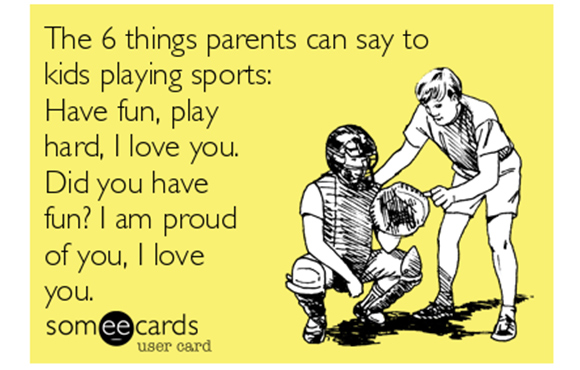
To parents of teenage athletes, a few things to remember –
1. Their success in sports will be more tied to their emotional health than their physical health. Which one should you be checking in on more?
2. Let the coach coach. What they need from you is a protective and safe buffer that keeps out the pressure and the competition, not adding more on.
3. Monitor their eating, sleep, mental health closely – do you notice any changes? Extra workouts? Less food at dinner? Avoiding meal times altogether?
4. Talk to them about MORE than just sports…..what are their other interests and hobbies? What else can they do in their summer and free time besides training? Maybe you can do it together!!!

*My parents (and every single coach I had) were incredibly supportive of me as an athlete and did not necessarily do anything to put extra pressure on me – nor do I blame them for any of what I developed in college, as they tried to stay connected and I isolated what information they received. My pressure definitely came from myself and an unnecessary need to compare myself to others. But per usual, I like to use my hard stories for good and for prevention, so by sharing my story, I hope you can be more mindful with your own kiddos or athletes that you mentor.
Moments #22-26/40 – On five moments in our marriage

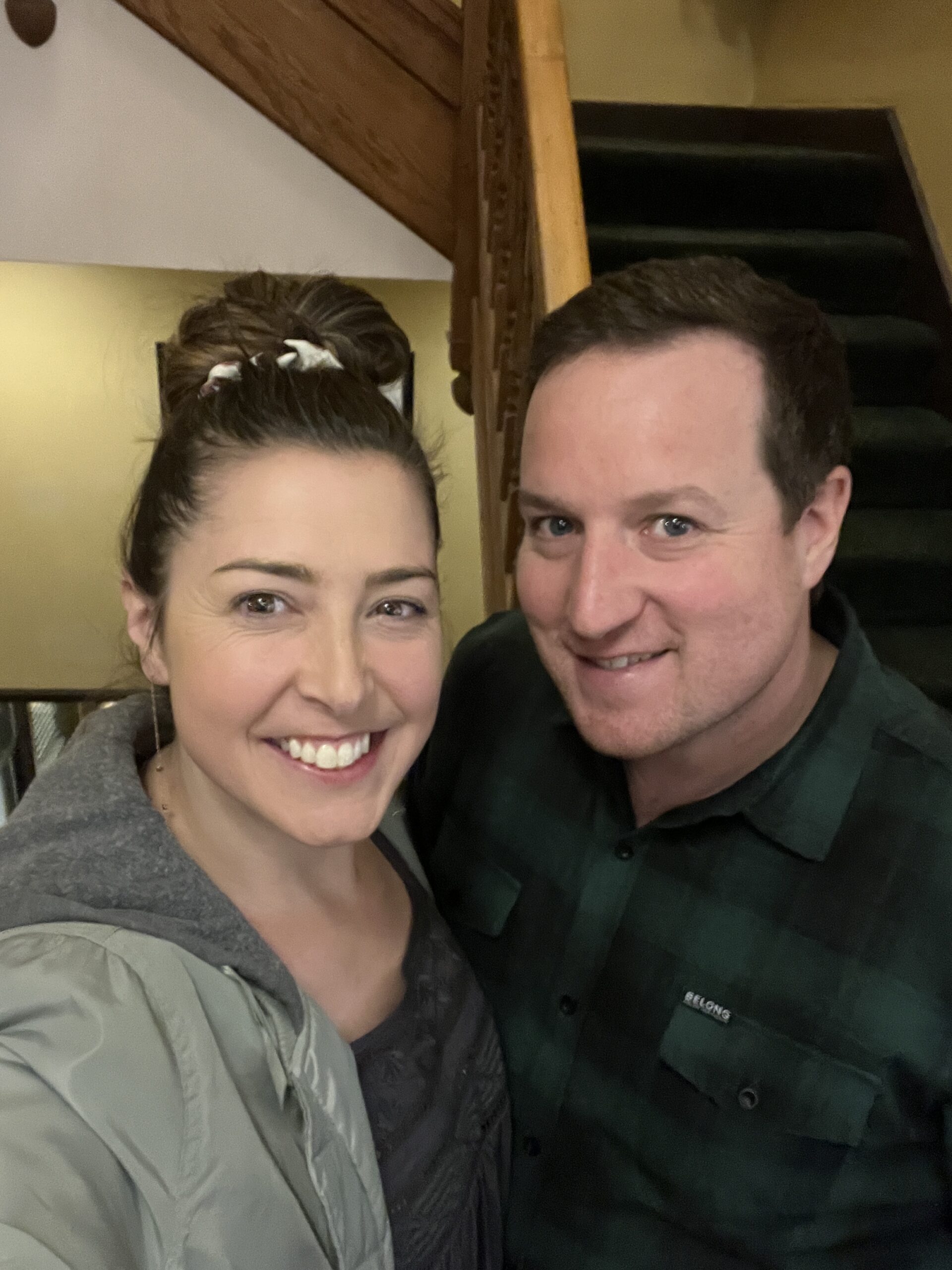
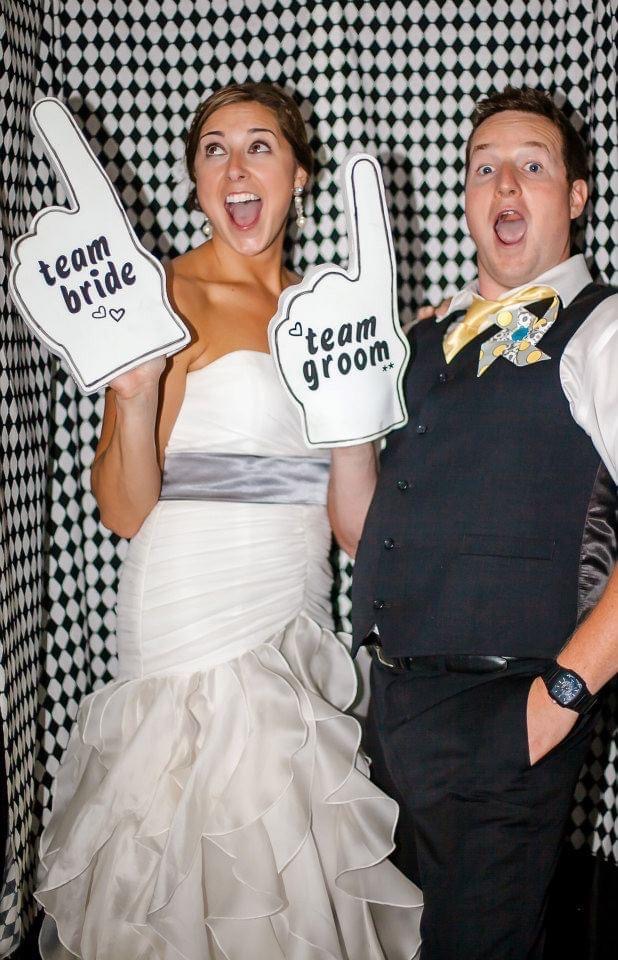
Today, we celebrate 10 years of marriage and if you’ve been following along for any length of time, you know our marriage (like most) have had its share of roller coaster moments. I know that all marriages go through these – but with ours, some of those rockier moments came a bit earlier than to be expected due to a number of factors. Today I wanted to honor those 10 years with 5 moments that are memorable to me in big ways (but possibly are not the same magical moments you might expect one to document from a marriage).

Marriage moment #1 – your disclosure of your childhood abuse
Technically this was before our marriage – in fact, it was probably within the first month of us dating which was so very brave of you after repressing your story for 27+ years up to this point. You told me what you had bravely survived and then you told me that you fully expected me to stand up, walk out and never speak to you again after hearing the disclosure. (Spoiler alert: I didn’t.) How I did respond: “This doesn’t change the way I feel about you. The only thing I need is that when you need help to work through it, you will get it.” And you have held strong to that commitment in every sense of the word…..not only seeking out the help you need but breaking down barriers and stigma for others in your line of profession and allowing me to share pieces of your journey here on the blog.

Marriage moment #2 – the day you said yes
I told you that two students that had been removed from their home hadn’t returned to school and I was worried. I stalked the CPS worker and volunteered our home for the weekend as was only needed at the time. They needed an answer within the hour. I called you, explained the situation, and asked you to take two traumatized children you had never met into our home for a whirlwind weekend….you said said yes right away with the sweetest words, “whatever discomfort I might have in bringing them home does not compare with the fear they are feeling so yes let’s do it.” That weekend became months, those months became years, and the rest is history.

Marriage moment #3 – hitting rock bottom as a couple
I haven’t shared much regarding the incredibly hard 2 years we’ve had navigating WonderGIRL’s transition to adulthood….but it has taken an extreme toll on all 3 of us remaining Team Hoelzle Brown members along with a toll on our marriage. Last Fall, it all came to a head with a gnarly argument where my voice was silenced and bad choices were made as far as communication with WG. But out of that darkness came some self-awareness from you that things needed to change. That the suggestions I was making to you like looking for other forms of trauma healing were needed like EMDR or psychedelic interventions. And while we navigated our relationship in silence and separate bedrooms for a while, you took your healing into your own hands. Relied on your own support network outside of me to keep you accountable and get you to Ketamine appointments. Switched counselors, knowing you were at a stalemate with your current one. You did the work and you are a much better man, father and husband because of it.

Marriage moment #4 – figuring out our biggest conflict
In 2018 with both kiddos in school and activities along with our own pursuits, we realized that our biggest arguments came from scheduling and miscommunication about who/what/when in day to day life. At this point, we started having weekly scheduling meetings each Sunday night to go through our week and work things out ahead of time (Cozi, an online app, also helped with this). During this year, we also had a transformative discussion about our relationship values and I encourage other couples to do the same – it’s helped us prioritize some things like finances and schedules along with keeping us grounded together when distractions pull us away constantly. Read more about scheduling and our values in this blog post from 2018.

(HIS) Marriage moment #5 – learning I was right in 2021 *completely his words, not mine!
This one is funny from his perspective because when we first got married, other veteran married couples would often offer advice to us as the newbies. 9 out of 10 spouses (usually husbands) would say that the secret to a happy marriage is to always say/assume/act as if “she is always right.” And you HATED that sentiment. You claimed that we didn’t follow other marital/gender norms so why should we follow that one. And while we don’t really use this mantra in our daily functioning, I do appreciate that you are more open to listening to me and my opinions on how things should go in regards to parenting, our mental health journeys, etc. I also think there is a lot to be said for our good communication skills and me growing in my ability to listen to YOU and trust some of your choices and opinions as well.

Thank you for being you and growing alongside me as a spouse and parent all these years. Also, a big thank you for sitting in the ER with me for 6+ hours yesterday and ruining our actual anniversary due to my strep throat contagious period. In sickness and in health….

More to come on our anniversary trip to Whistler (where I probably caught said strep throat) because it was AMAZING and I want to share all the places we found in case you want to travel there too someday.

On Ketamine – FAQ’s answered by the husband

One of my most-read blog posts was documenting my husband’s journey with his own mental health and healing from significant childhood trauma and abuse. Since he was brave enough to share a bit of his story, we have been contacted a handful of times with questions about Ketamine and EMDR, two modes of healing not often talked about when addressing mental health. I thought this might be a good catch-all blog post that anyone can share with someone curious about ketamine and some answers from a pretty blunt, adult male perspective (and I love him for that).

Ketamine journey – part 1 (what is it)
Ketamine journey – part 2 (his perspective)

What happens in a Ketamine session?
You go into a room with a nurse and they take your vitals. Then, talk to you a little bit about how you’re doing. If you’re nervous or anything like that…..then they walk you through next steps like putting the IV line in, getting you an eye mask, and headphones with music. You can talk to them if you need to since they sit there the whole time with you.

How does it feel when you’re under?
First off, they start with low doses and progress upward in the process of your appointments. When they put the IV in, it takes 10-15 minutes for it to kick it out of a 45 minute session. Once it kicks in, I can feel it “coming on” where my body feels fuzzy everywhere but not scary, it’s a nice feeling. After that, it’s hard to explain….when you close your eyes, stuff just starts to come up – it depends on what you’re focused on, what you’re working through. For me, it was past trauma and having conversations with my abuser.

They start you with 6 sessions, 2/week and it progressively gets tougher as time goes on.

What happens if you panic/freak out when you’re “under”?
There is someone there to help talk you down if you do panic and give you choices and control if you want to stop. I ripped the eye mask at one point and they helped calm me down with some different coping strategies (heat, ice, oils, etc.). I only panicked for a short time before I realized I was safe. That was only because I was digging through some deep stuff at that point.

Were you nervous?
The first time – yes. In my first IV, they gave me a small bit of anxiety meds and that helped but then after that, I knew what to expect. I was nervous at the next appointment after a really hard one and then the nurse helped remind me of the procedures that I can request to stop it. Then it was one of my better sessions.

Did it help?
Yes it definitely helped. I have had very little anxiety after I started last year. The ruminating thoughts, which was the biggest thing for me, have pretty much gone. Sine I haven’t been to an appointment in a while, I can “feel the edge” starting to creep back in which is a reminder for me to schedule an appointment.

How often do you need to go?
They suggest 2 sessions a week for 3 weeks. After that, you do 1 a month for 3-4 months. And then every other month. At this point, I schedule sessions as needed. It’s been 2 months right now and I want to schedule another session before summer ends.

How is Ketamine different than traditional talk therapy and/or medication?
I did both of those things for years and there’s not anything wrong with those, I just personally plateued with those methods. Ketamine helped me be present in my trauma/mind’s eye and deal with it in “real time” through conversations or observing what happened with my adult brain. I realized that trauma was definitely stored in my actual body (which my wife has been telling me for years) and my left side actually was agitated more during treatments which is interesting and proved that point to me.

How do I know if Ketamine is a good choice for me?
If you have been trying other things like therapy, medication, or other mental health interventions and it feels like nothing is working or stagnant (also known as treatment-resistant anxiety/depression)- this is an option for you to look into. You can call the place for a consult and they ask you questions about your history of trauma, medication, referral and hopes for the treatment to address your anxiety and depression.

Even after him enduring this interview, he offered to talk to anyone with questions about his experience, so if that’s you – let me know and we can set it up.

Happy Father’s Day to a perfectly imperfect father….

This man has been completely transformed by becoming a father….a father to a number of kiddos who ONLY knew a father that was abusive, manipulative, and barely provided even a slight version of love and nurturing to them.

And just like many fathers, he had to grow into the role over time and that wasn’t easy. Understanding the dynamics of each child and figuring out to humbly love them unconditionally, as well as navigate his own childhood triggers and feelings about parenting.

What I love the most about the example he shows them and is very open to expressing to them…..is admittance of his struggles and roller coaster of mental health journey. And a constant willingness to get help for those struggles….to become a better father, husband and person always. That is what they need to see….a vision for their future, not only for their own health but for the health of their future family relationships as well. When they hit bumps in their roads, I hope they look back and remember their father hitting the same bumps and seeking help from his community, his family, and mental health professionals.

I am so very proud of the journey towards true and healthy fatherhood this man has taken. And while it makes me a bit jealous, seeing the love and adoration the Wonders have for him through the ups and the downs is truly magical.

And boy do our nieces love their “Uncle Sock” as well….so cute!

Click here for some cute words from the Wonders on Father’s Day 2016.

On the job that I LOVE….and how I show it off

It is no surprise to anyone that I love my job. I am obsessed with the role of a school counselor and in particular, the prevention and proactive efforts that an elementary school counselor can provide. I also could talk about it for hours upon hours and never get bored (and in fact try to do just at with conference and graduate program presentations when I can).

Unfortunately, part of school counseling (a large part) is done behind closed doors due to protection of confidentiality. So part of our job gets to be communicating what we do to our communities, colleagues and administrators.

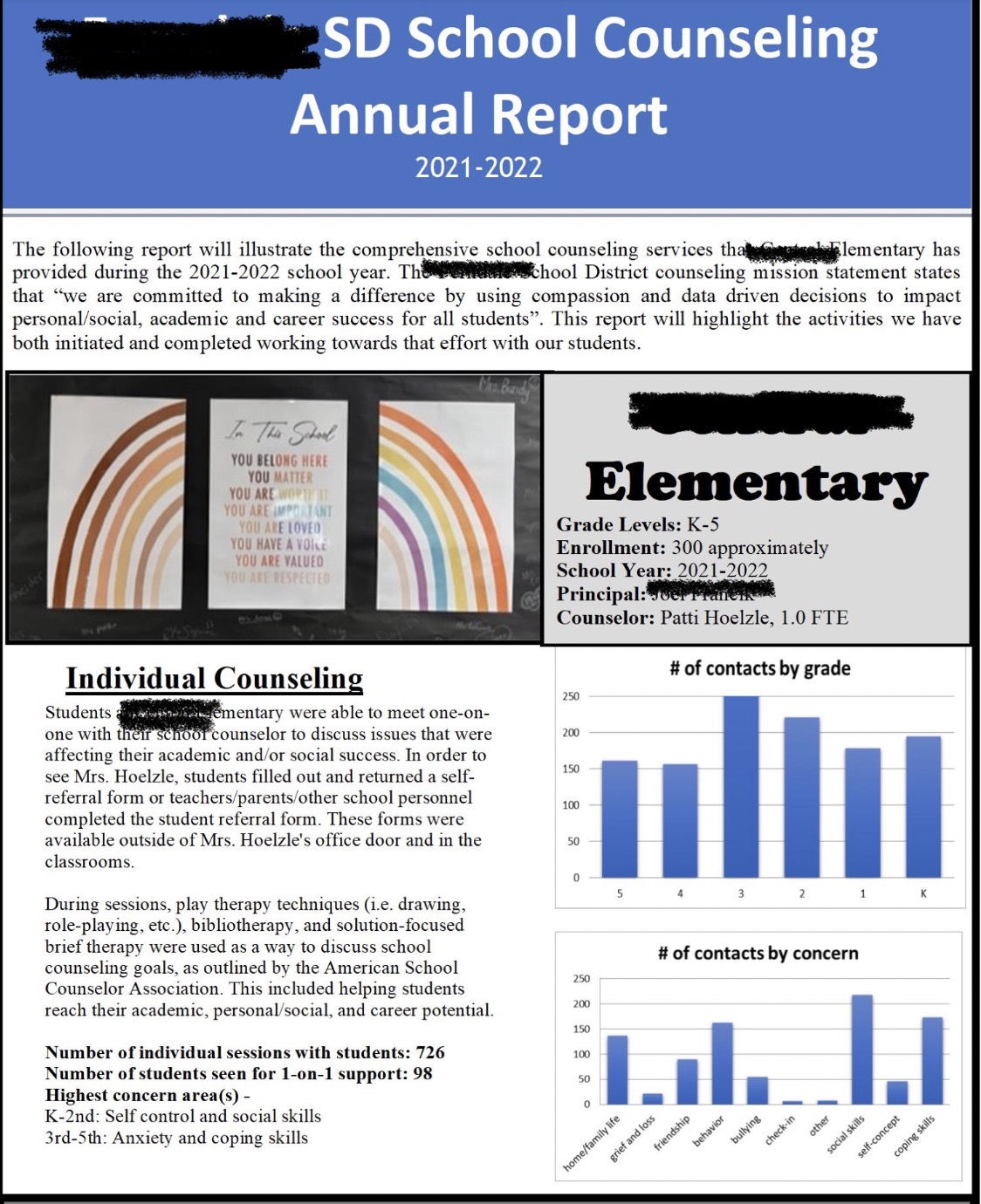
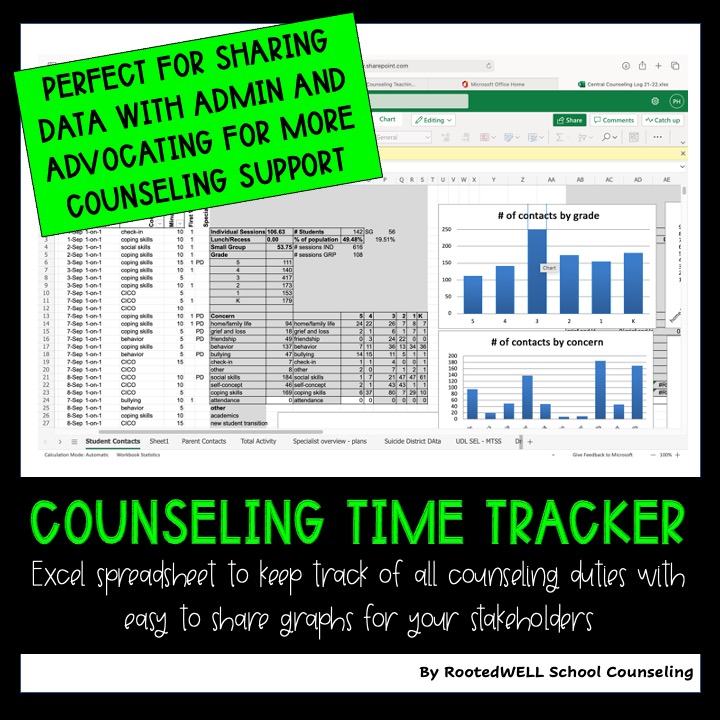
Each year, I publish an annual report to showcase how many students were impacted by the school counseling program. Here is a snapshot of the first page so far this year.

I collect this data this throughout the school year by tracking all of my student and parent contacts into one Excel spreadsheet…..then it’s easy to pull information and visuals to share with staff. I have tweaked and edited this spreadsheet to fit my needs but so many folks have asked for a copy, I uploaded it on Teachers Pay Teachers for others to use for their own programs!

In my beginning years as a professional school counselor, I used this time tracking data to advocate for counseling support to grow to meet the needs of more students. I’ve also used it to show what activities produce academic and behavioral growth versus maintaining “feel good” check ins with students.

Although most see the need for school counseling and mental health support in our current state of affairs, when I first began my career in 2007, budgets were tight and school counselors were often on the chopping block of staff cuts. I was a bit relentless in letting stakeholders in my district know how important school counseling programs can be to impact student learning and growth!

Let me know if you have any questions on this resource! Or if you already use it, I would love to hear how it’s helped you and your program!

On another shooting

I hate that I wrote a post in February of 2018 with my exact feelings as I have today. Another school shooting. This time, 14 elementary school students murdered along with their teacher. When will it end?

Click here to read post.

As an educator tasked with decision-making, safety plans, and risk assessments at school – each incident no matter how far away makes me numb with fear and doubt. My ruminating thoughts summed up in the video below….

10/40 – on asking for what I need

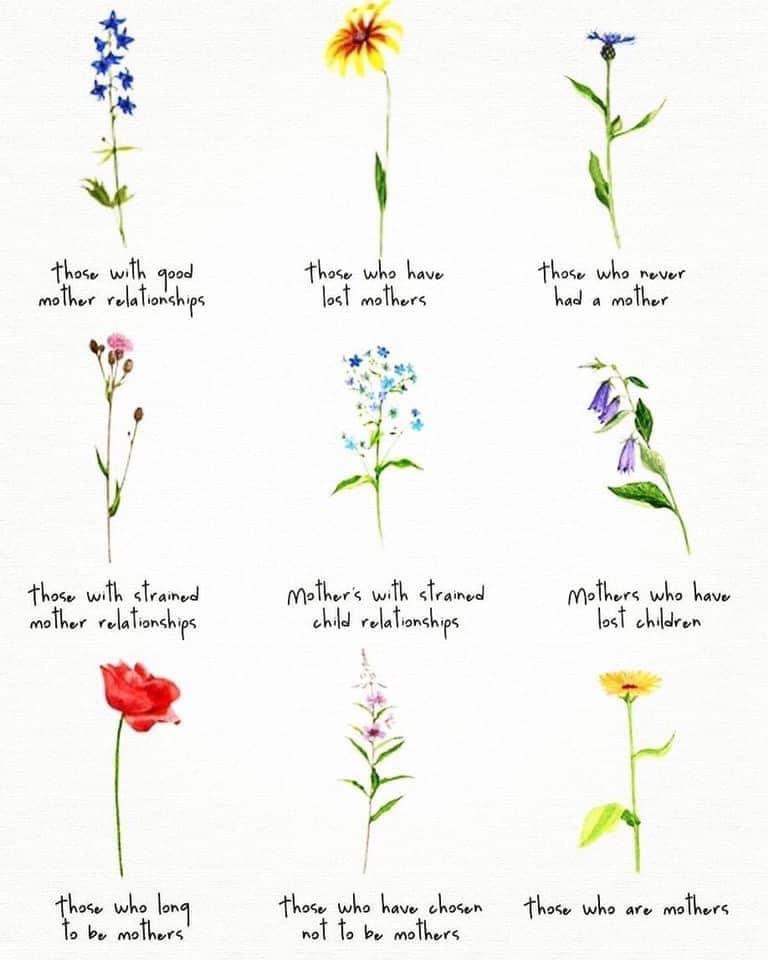
Mother’s Day is complicated for so many folks…for our family, it’s been a bit of a historical minefield of triggers, memories, and confusing feelings. Click here for a post I did about this confusion a few years back. I love images like the one below that get posted on social media to recognize both the beauty and the pain that is Mother’s Day.

Last year, for Mother’s Day, I requested a solo weekend in our trailer as a weekend to breathe, rest, have no motherly duties or motherly guilt for not doing the duties….and it was EVERYTHING. An important moment in my life to reinforce that hard work, whether professional, physical or emotional….has to be counterbalanced with REST. I recalled that weekend at many stressful moments during this past year, reminding myself to take time to rest and fill up my own cup from within and from a place of stillness and quiet.

I am excited to repeat this excursion again this coming weekend at one of our favorite campgrounds….and the timing couldn’t be any better for my chaos filled brain, heart, and body.

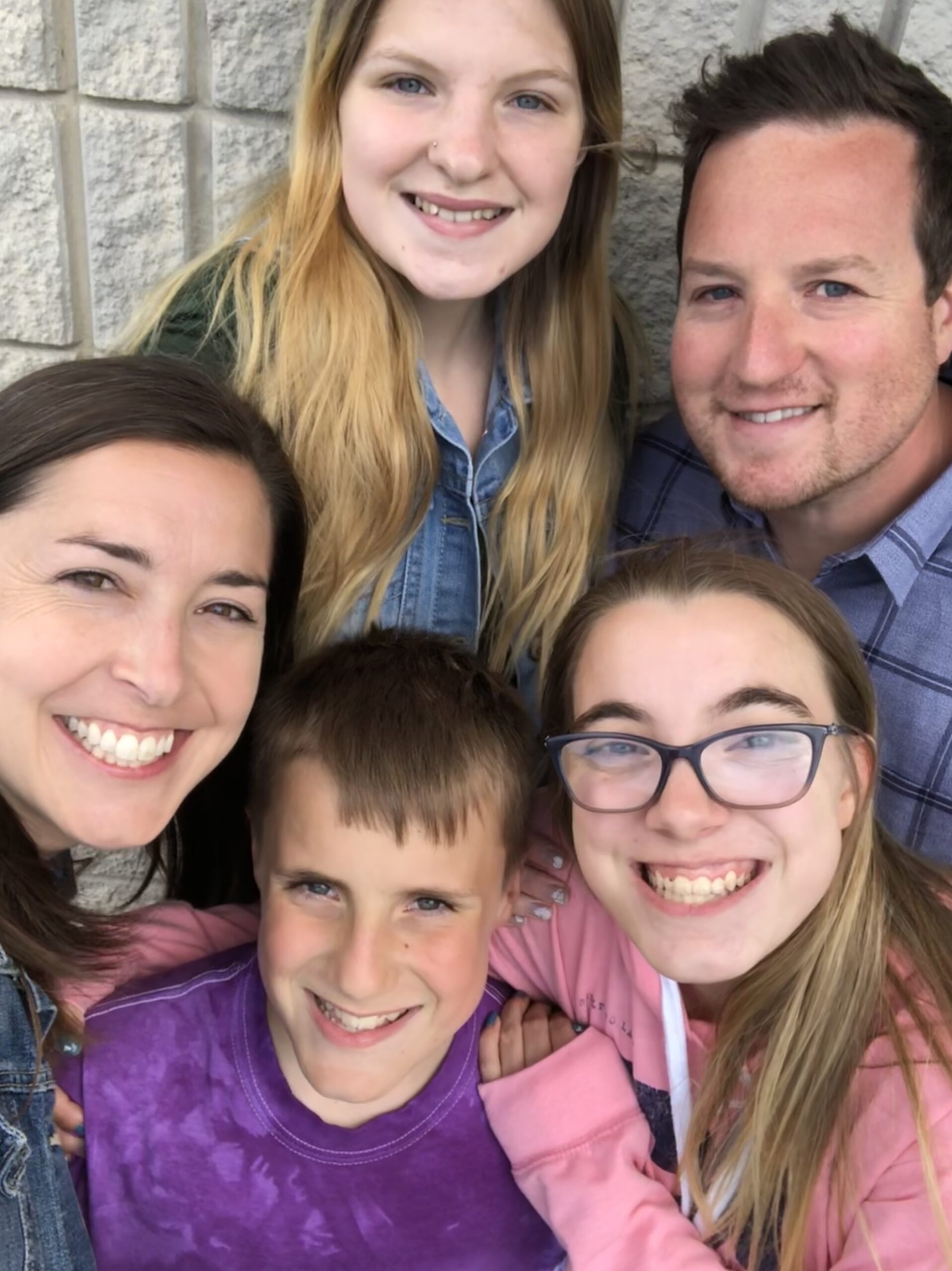
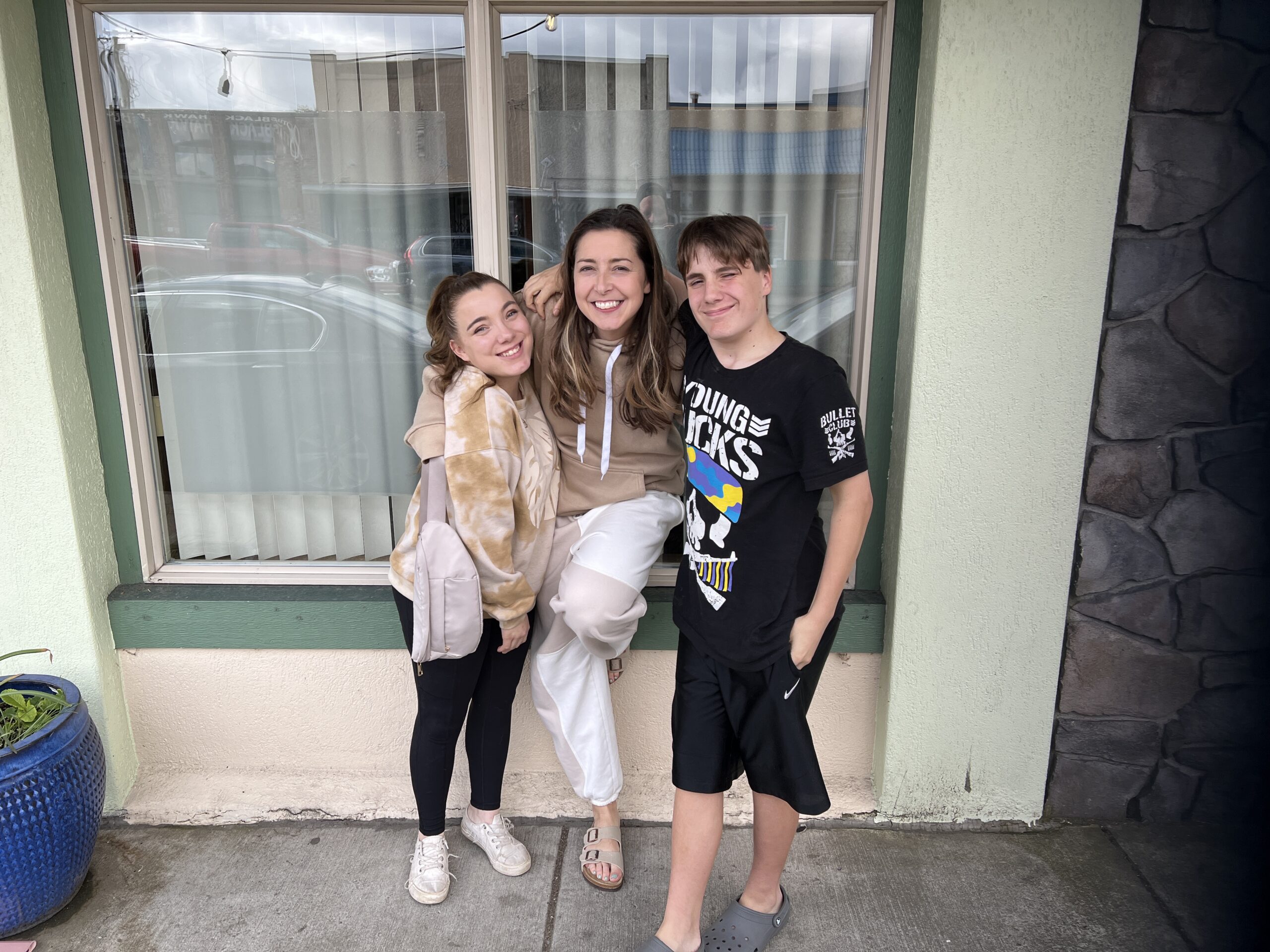
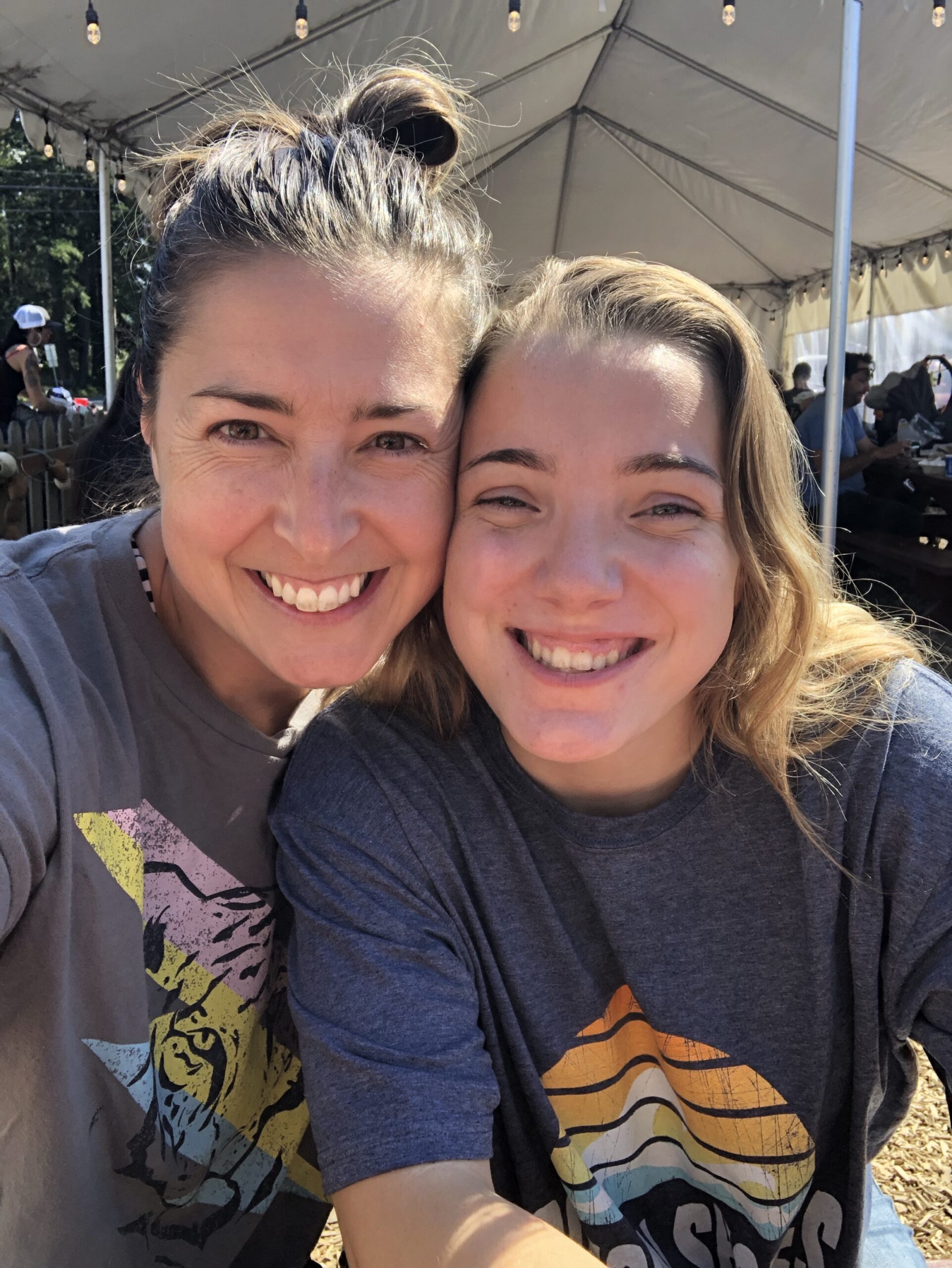
So, if you’re still reading, here is your daily dose of encouragement to take the time, get away, shut your door, go fo that walk….and do what you need to in asking for what you need. And a cute pic of me with my Wonders after a delicious Mother’s Day breakfast (followed by an equally delicious 2 hour nap at home).

7/40 moments – on the book that jumpstarted my hope

As a human that fell in love with a man with complex PTSD and a handful of elementary school children with similar struggles (before we begun our fostering journey), there was a period of time when I felt super frustrated with what was available to me and them as far as resources. When I am faced with a situation I don’t understand, I want to learn more and research and dive into the topic.

But at the time (over 10 years ago), there was not a lot available as far as reading, internet groups, documentaries, etc. on this topic. And I knew in my gut that there had to be more out there and different ways of doing things, healing, shifting the education system to better support folks that have experienced childhood trauma.

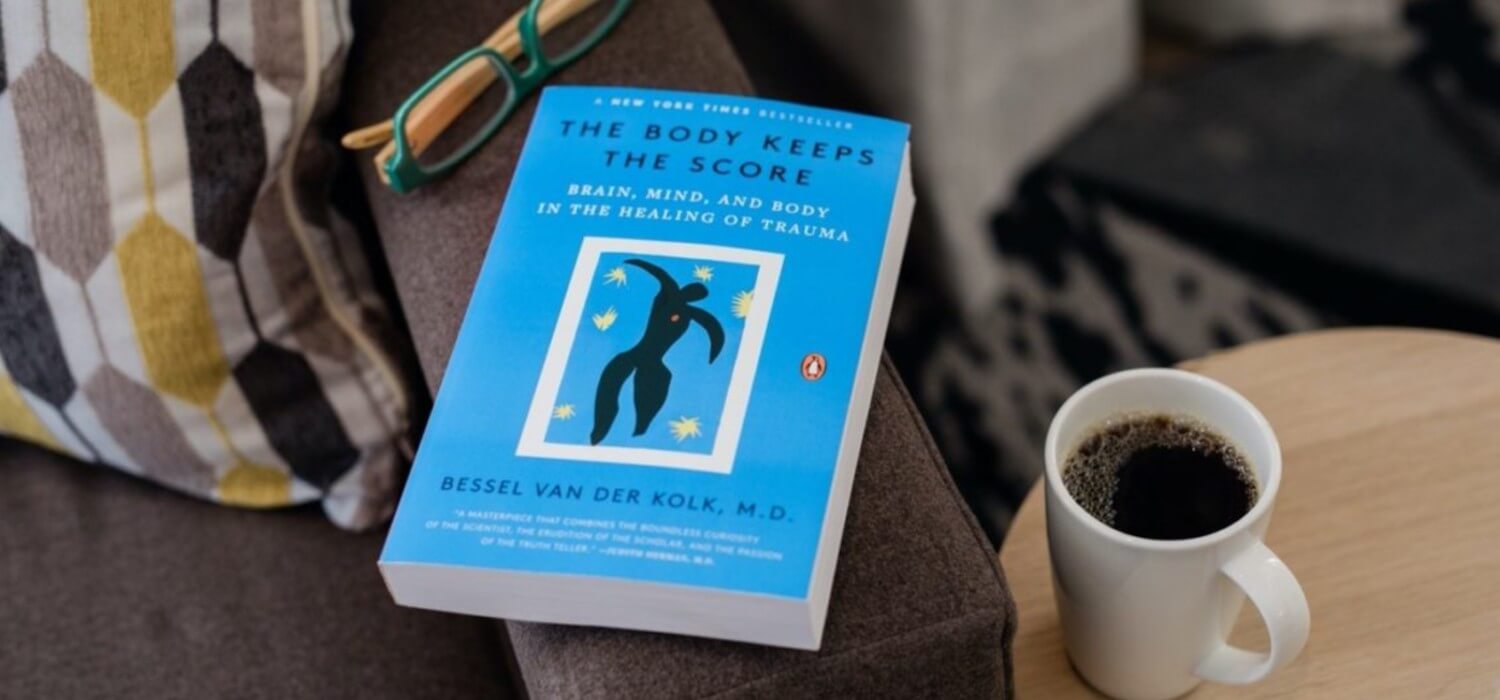
Enter this book:

This book really helped me understand the role of traumatic experiences living inside our bodies and playing out in physical responses (versus being just a brain/thought process that was affected). And although I had graduated with my masters in counseling, the spectrum of other services and resources that actually showed greater healing potential than just talk therapy outlined in this book really opened my eyes.

Reading this book motivated me to look further into other modalities of healing for both my husband and my students (and for my future mama self, my foster children). Unfortunately, some of the only recommendations offered to folks (especially children) who have experienced trauma is medication and talk therapy. And although sometimes those do help address the symptoms, there are so many other options out there that I wish would be promoted as options as well. These include things like yoga, mindfulness, EMDR, psychedelic interventions, and specific trauma informed types of therapy.

Later, this book was a catalyst in me advocating for my WonderGIRL as her parade of counselors provided by the state were just not doing anything for her or for us. I dove into attachment therapy and really felt like it was what she needed. It led us to our current therapist who is still treating WG and I am the MOST grateful we found her and she agreed to walk alongside our family during some of our toughest years.

Since I read this, I have also found other books that have really helped me become more trauma-informed and invested both at work and in my family. If you are interested in some of these reads, here is a link to my recommended reading list.

On my One Little Word – 3 months in

A little reflection on my One Little Word, RECLAIM, one quarter into this year.

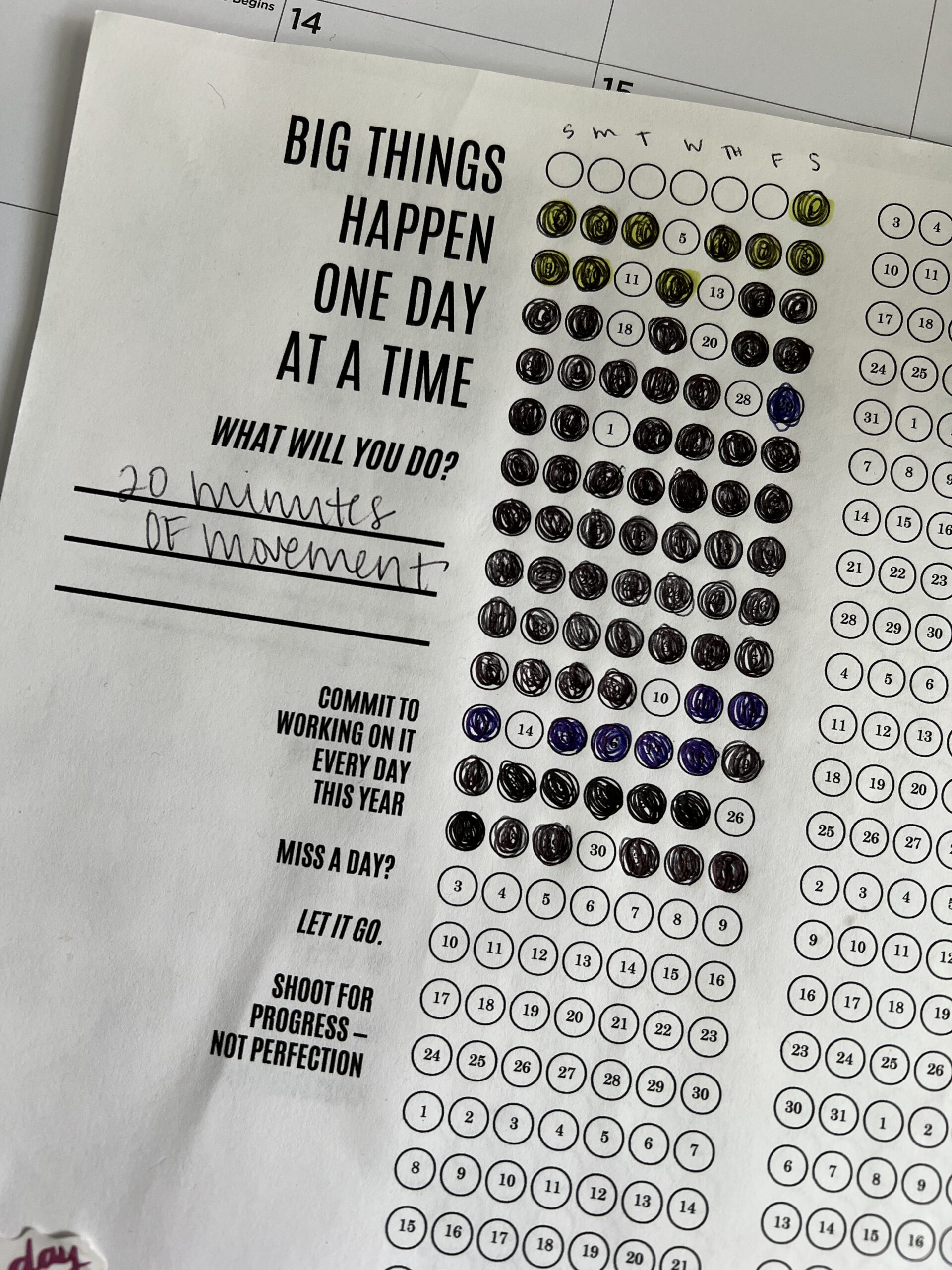
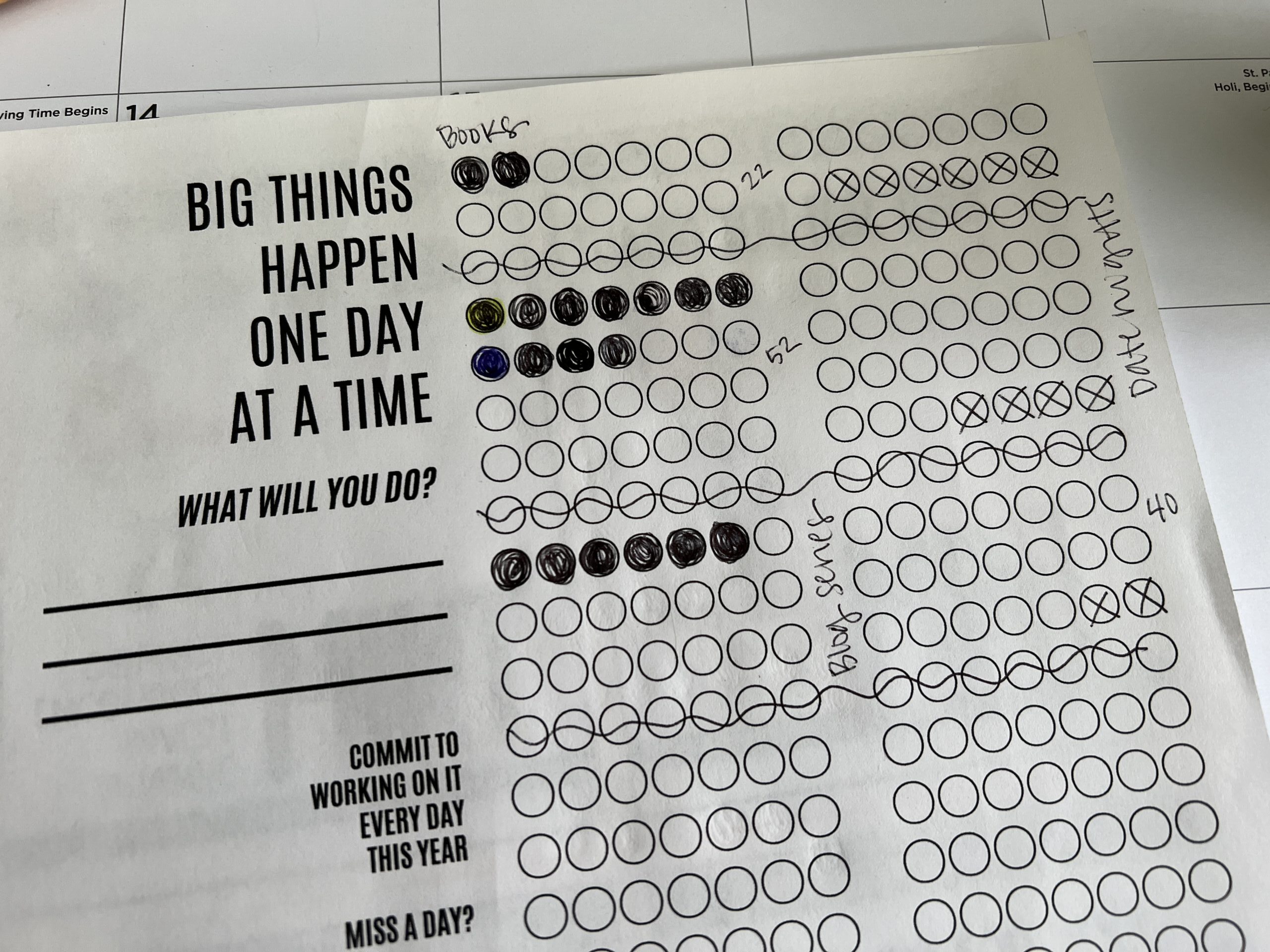
First things first, I am really trying to reclaim some time for myself to recover and restore from the stresses of the current school year. I knew a big exercise goal would not be healthy for me so just focusing on 20 minutes of movement each day (no matter what it looks like or how many calories I actually burn) has been helpful. Plus, I love seeing the progress on this little circle tracker for the year.

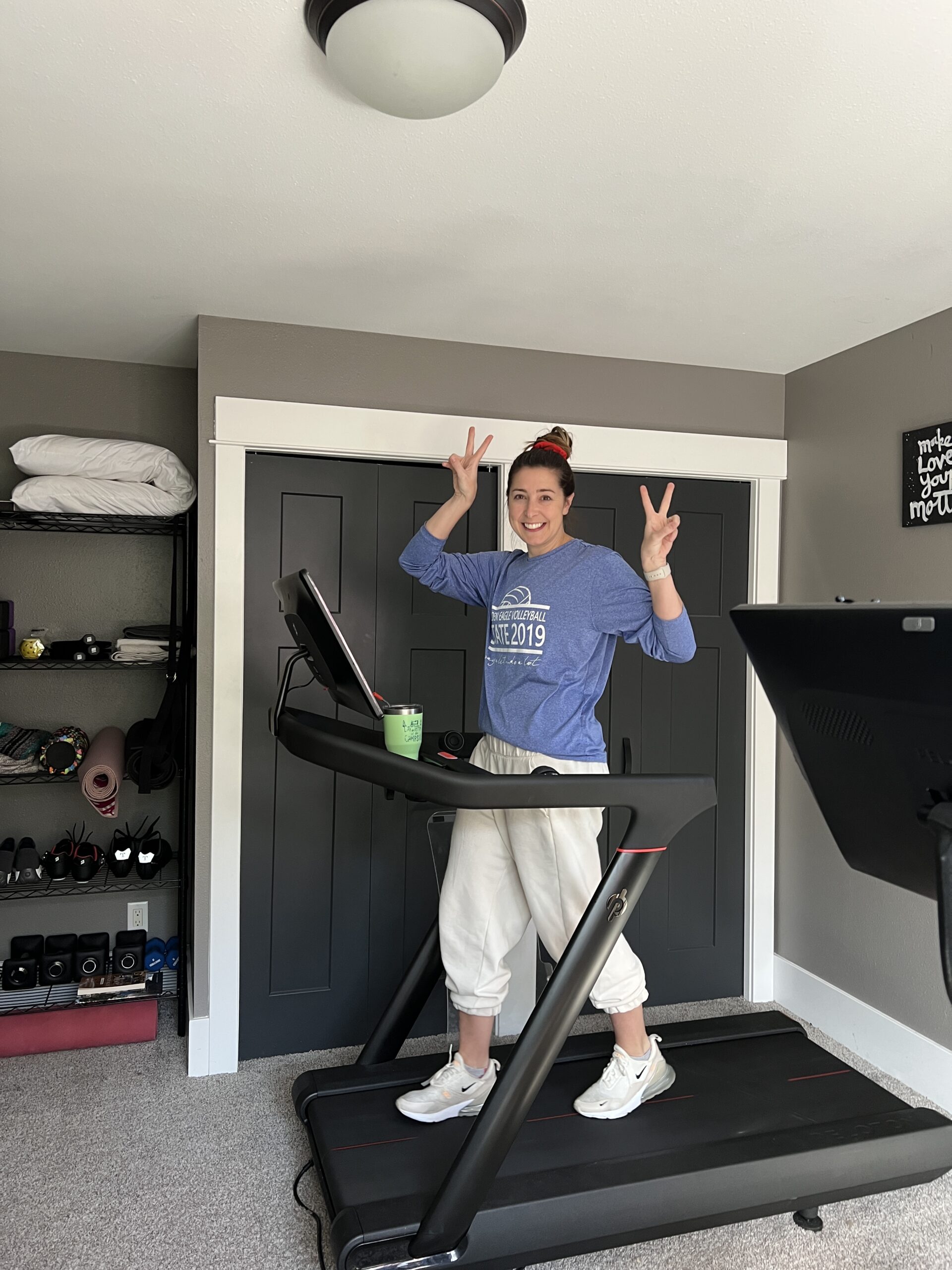
I have loved my Pelo treadmill – the walk playlists and the ability to blog/be creative while I walk has been awesome for me!

With some amazing progress on his own self the past 6 months, Scott and I are trying to also work on our relationship and prioritizing date nights. We are on track for one date per week – we don’t want to get bored though so pass along any fun date night or day suggestions so we can keep things fresh!

As far as travel and adventures, we have been to both Arizona on a plane, Anacortes in our trailer and Leavenworth in a hotel – all great adventures both as a couple and with WonderBOY with us. We still have big dreams of going somewhere warm and tropical over Christmas vacation….but with a few looming family situations, we have to wait a while to officially book it.

Some of the things and/or activities I am still looking forward to reclaiming this year a bit more:
– reading more
– writing more (I’ve hit a bit of writers block for my 40 moments series)
– making money from my professional teachings/trainings

Overall, I am really leaning into listening to my body and giving it and my heart what it needs to navigate each day, hour, new stressful situation….I have always struggled with an even pull towards laziness and productivity with a special dose of guilt for each so finding this balance is always tricky for me.

And per usual, a fun tik Tok to tie up this blog post:

On “self-care” being weaponized against us

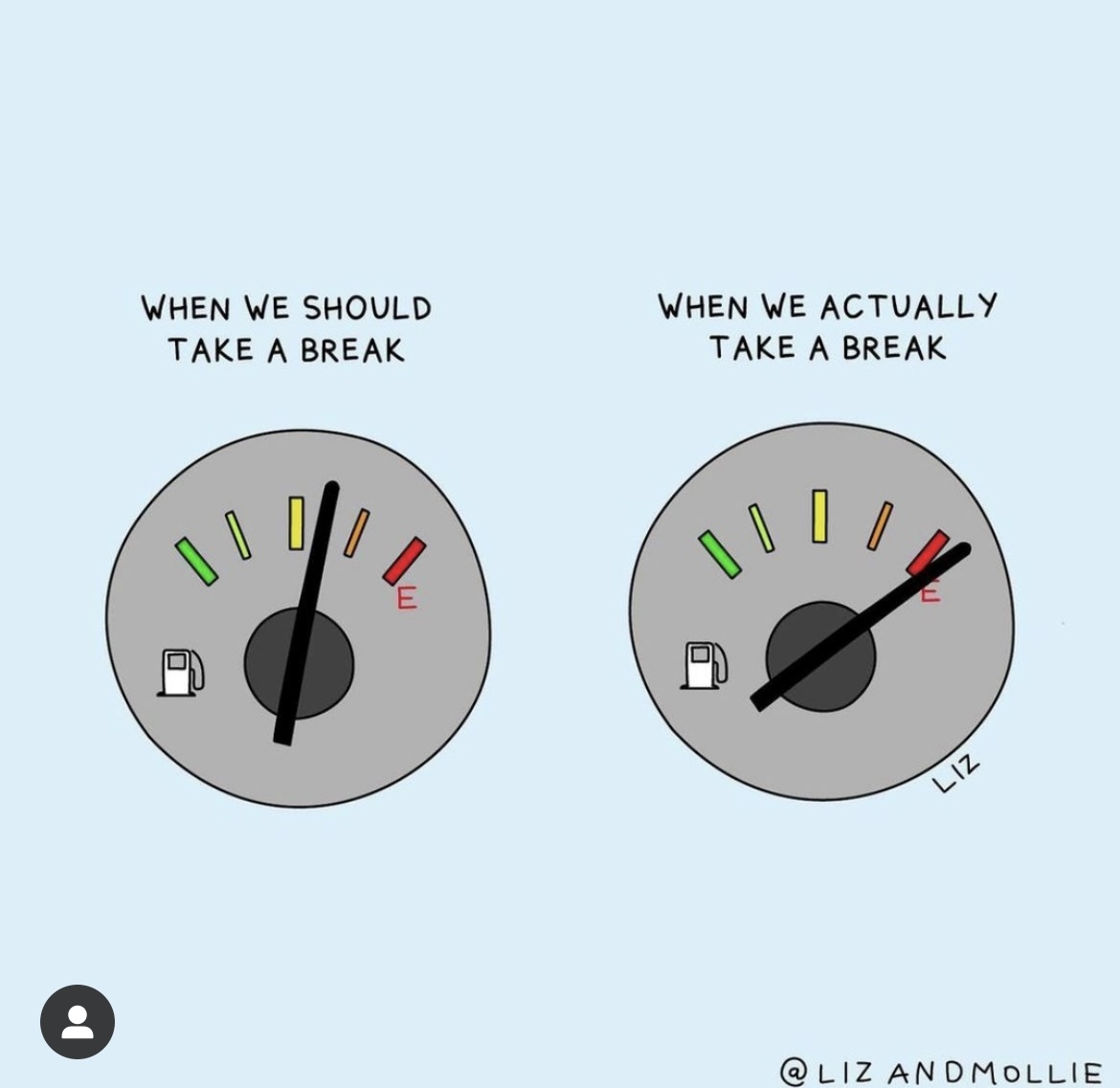
As many of you know, I am a big encourager of self-care. Prioritizing your own basic needs of movement water, connection and rest ALONG with your other priorities. Since the pandemic has started, the pendulum has swung aggressively the other way, weaponizing self-care as “toxic positivity” and even oppressive in some circles (education included).

I think taking care of one’s self, both physically and emotionally shouldn’t need a label. And the fact that it does and we have to remind folks to attend to their own self IS PART OF THE PROBLEM. We have adapted to daily schedules in our society that are so busy, hectic and focused on performance, work and social status that individuals are forgetting that their body and brain need to be healthy enough to even do those things in the first place!

How I operationally define self-care is really just focusing on self-awareness leading to healthy habits. I stop long enough to see what my body, brain and heart needs during specific moments of the day….and then throughout my week and schedule, I actually and intentionally give my self those things.That’s it!

How do I focus on awareness? Stop, meditate, be still, turn off the podcast/music while driving, read personal development books, free write/blog, go to bed early so my mind can wander (and hopefully not turn into sleep-stealing anxiety), etc.

Without awareness, we don’t know what to self-regulate. Without an ability to self-regulate, many people then start to self-medicate (typically in harmful ways to our physical and mental health).

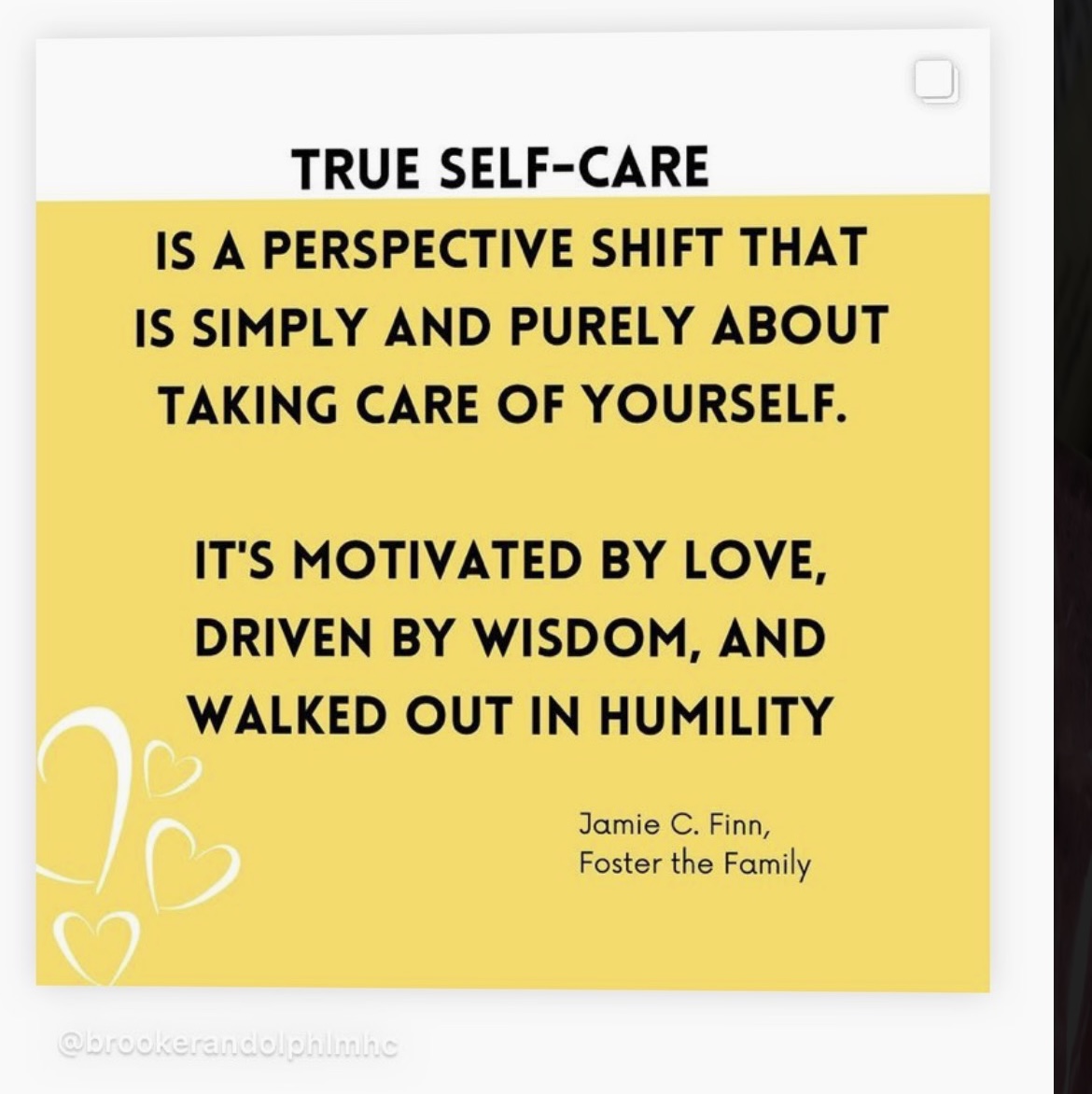
The other piece of self-care that I don’t think gets talked about often enough is setting and adapting your own personal standards of “success” or “good enough.” This is the truest form of love (as quoted in the image above) – being humble enough to shift your own standards of good enough so your actually are good (and healthy and whole and connected to folks that also love you).

One example of this is my goal with exercise this year – as a former athlete, I have some interesting habitual thoughts when it comes to “working out” and fitness. That post could be an entire novel on its own but some of my disordered thinking about exercise and movement has blocked my motivation to even want to do it at all. So this year, after coming to terms with some of that, I am LOWERING my standards of what I think daily exercise should/could/would look like for me. Instead, my goal each day is just 20 minutes of movement. Even if that movement doesn’t make me sweat, doesn’t burn enough calories, isn’t cutesy enough to post on social media, etc. And I have found that just the simple mindset shift of this has made me actually feel more accomplished (and consistent) that what I was expecting of myself previously.

So with that, I will just summarize with this – whatever self-care is to you, I hope you lean into it. I hope you MAKE time for your self this week, this month, this year….and I hope those moments reinforce the narrative that you are important and of value alongside everyone else you’re caring for. Healthy habits Tik Tok

I consider Tik Tok creativity my self-care on some days (okay all days).